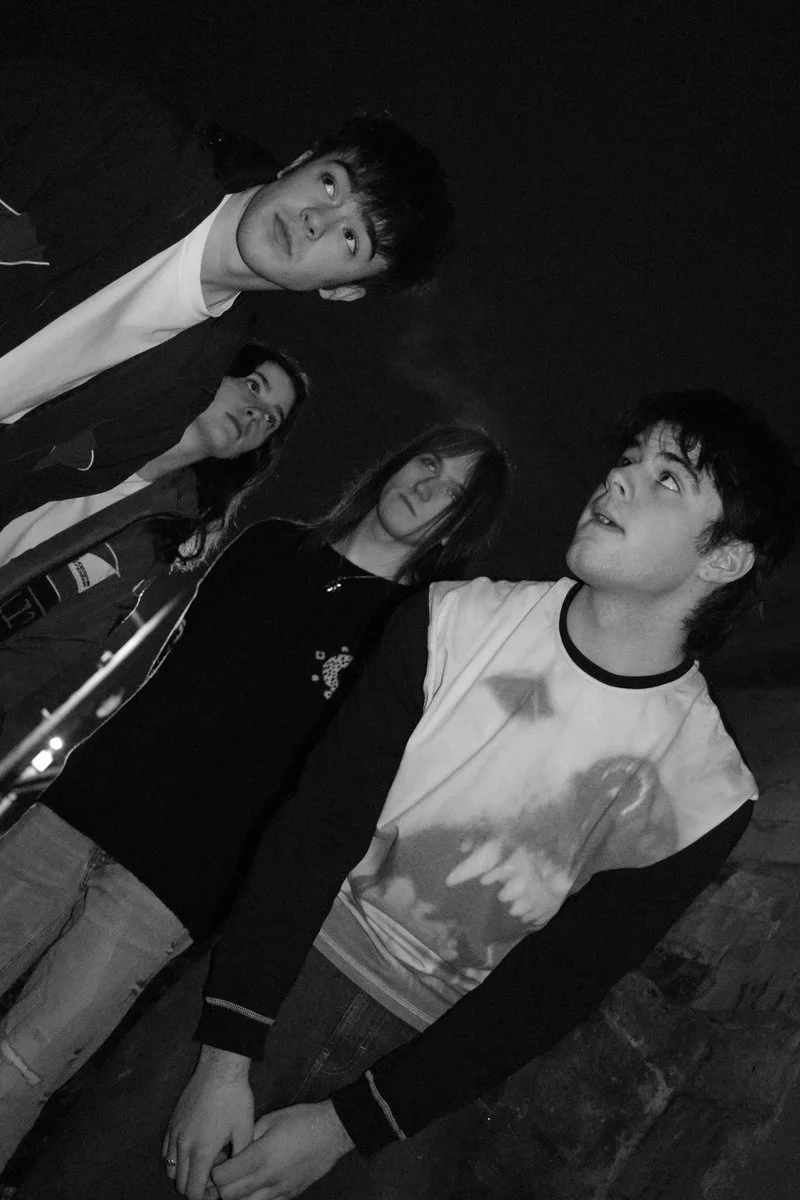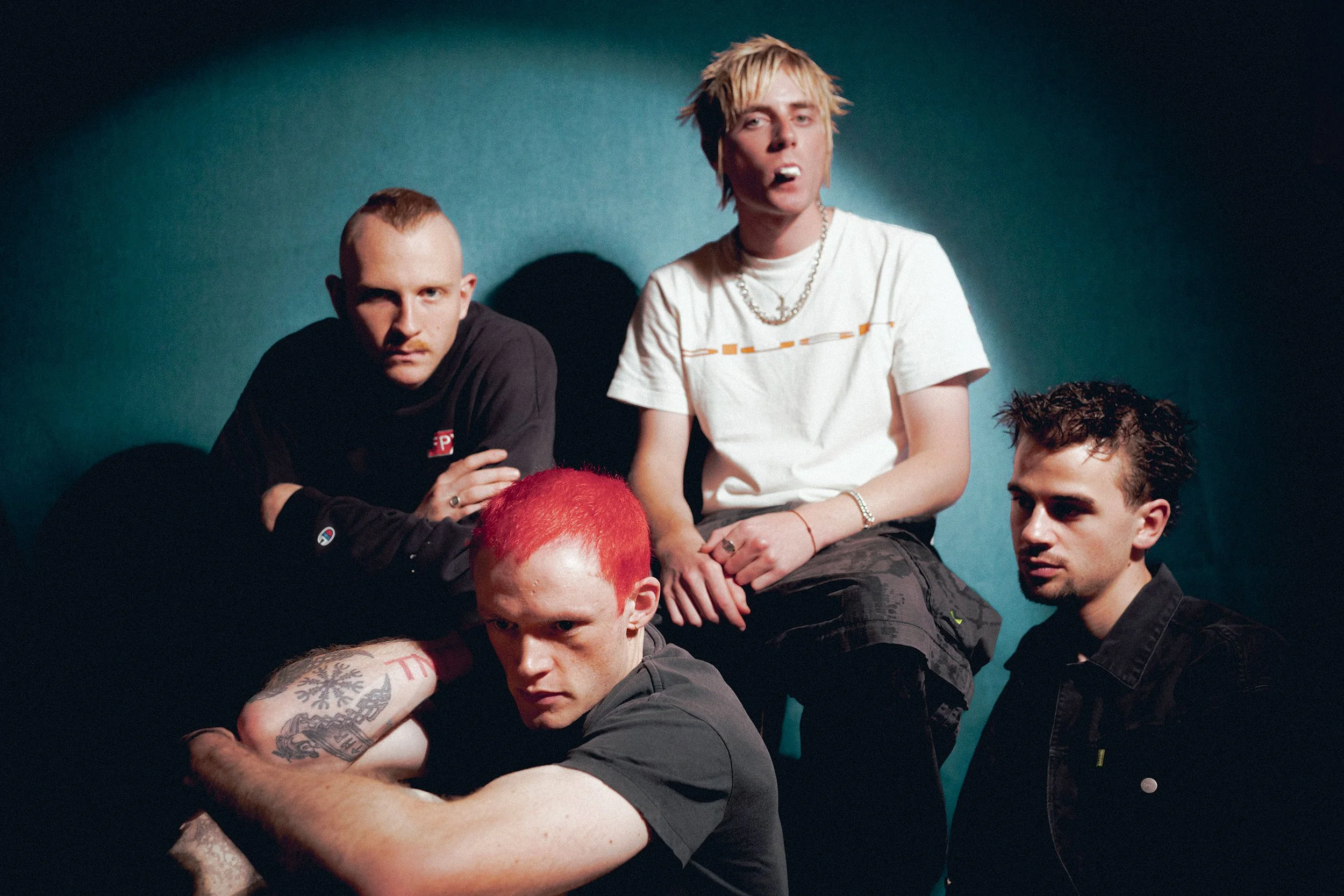
A new generation of Irish bands are turning local frustration into globally resonant music.
— The Quietus
A Breath of fresh Éire
After Fontaines D.C burst onto the scene in 2019 they were the leading force that pushed Irish alternative guitar music into a global conversation, it would’ve been easy to treat the whole thing as just a moment, another post-punk spike that burns brightly for a few years then disappears. Instead, the more that time passes, the clearer it becomes that new bands aren’t appearing because labels need replacements; they’re appearing because there are rooms to play and crowds willing to turn up again and again.
What seems to stand out the most is not the genre itself but rather it’s the behaviour. These bands develop socially before they develop digitally, audiences encounter them in venue basements and support these smaller acts long before their music is available online. You don’t discover them through recommendation feeds so much as someone telling you to go and see them.
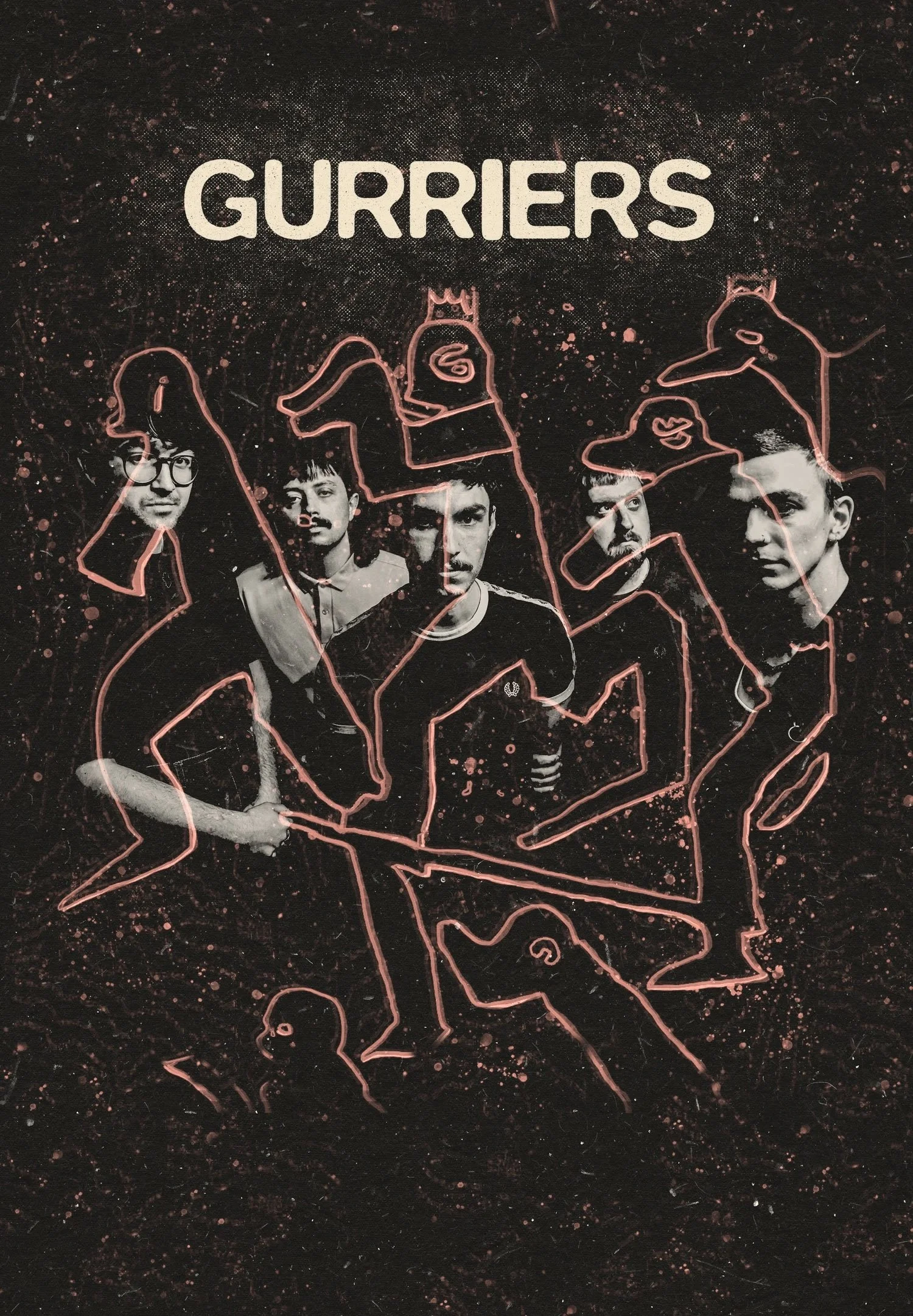
Gurriers make the most immediate impression. Where earlier music from this movement often felt observational, their songs instead feel confrontational, built less around atmosphere and more around release with 7 singles and an album released in 2024. Reviews highlight them as “astute and cutting with their words” (overblown review), but the writing almost comes secondary to the actual performance. Live coverage repeatedly lands on similar language: raw, unpolished, essential(taped magazine). They’re a band you understand physically first, the meaning comes afterwards. It’s a reminder that guitar music doesn’t always need reinvention to feel new; sometimes it just needs that urgency again.
Croíthe operate in the same landscape but from a completely different emotional angle. Their material leans into stillness, stretching tension rather than breaking it. Descriptions of “dark, introspective soundscapes and poetic storytelling” (Decibel decoder) and notably earnest lyrics appear often. Nothing ironic, nothing performatively detached — the songs sit with feeling instead of reacting to it. Placed next to louder contemporaries, they show the Irish scene isn’t defined by volume but by sincerity, a shared tone rather than a shared sound.
Bleech 9:3 feel like the band held together by conversation rather than coverage. The kind people mention after gigs rather than send links to. Reports talk about a “very special energy… spreading through word of mouth and live shows”, with tracks “pulsing with emotion and visceral tension” Bleech 9:3 lean toward alternative rock structures, using clearer chord progressions and bigger dynamic changes,songs begin with clean calm guitar melodies and are harshly cut off by distorted guitars with strange alternate tunings. They still carry intensity, but the songs centre on emotional release rather than confrontation. They sit between heavy and melodic.
Across all three, the connection is cultural more than sonically. Commentary around the wider movement often points to artists writing about people feeling “isolated and let down by those in power”, and that shared context explains why Ireland keeps producing waves rather than one-off successes. The bands don’t sound identical, but they exist for similar reasons.
The result is a scene you notice slightly late by design. By the time it reaches wider attention, it’s already functioning on its own terms. Crowded rooms, returning loyal audiences and groups developing in public. Less a revival of guitar music, more proof that discovery still works best when it happens naturally rather than dictated by an algorithm.
—————————————————————————————————————-
FEATURED ARTISTS